


Affordable Training for a Stable Career

Trade school cost: how we make high-quality career training affordable
Affordable training. Flexible payments.
A better career shouldn’t have to wait. That’s why we keep our training affordable and offer flexible payment plans that fit your budget.
Options for every student. Every student has access to options that help cover part of the cost of training. Talk to a member of our admissions team to determine what options might be available to you.
Nonprofit, student-first. As a nonprofit school, your tuition goes directly toward your education.

Scholarships
Thanks to our generous donors, we can offer a limited number of scholarships that cover partial tuition fees.

Installment Plans
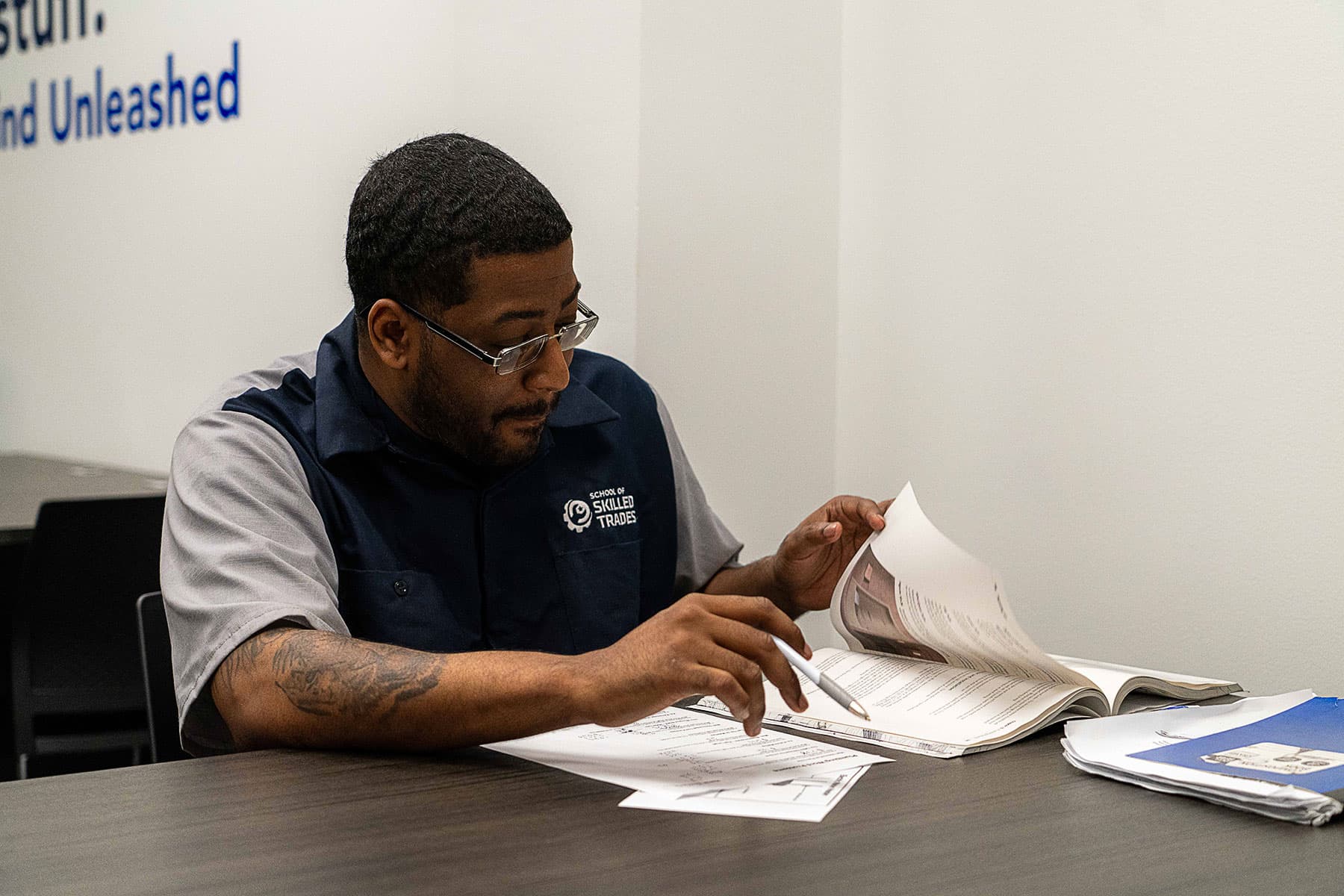
You don’t have to pay for everything at once. You can pay your tuition fees over time. You can pay your fees all at once or finance over one, two, or three years.


Learn While You Earn
We offer classes in the morning and afternoon. This allows you the flexibility to continue working to maintain your income while you train for a new career. Many of our students work full-time jobs while in school.

Investing in trade school pays off quickly, and for the rest of your career
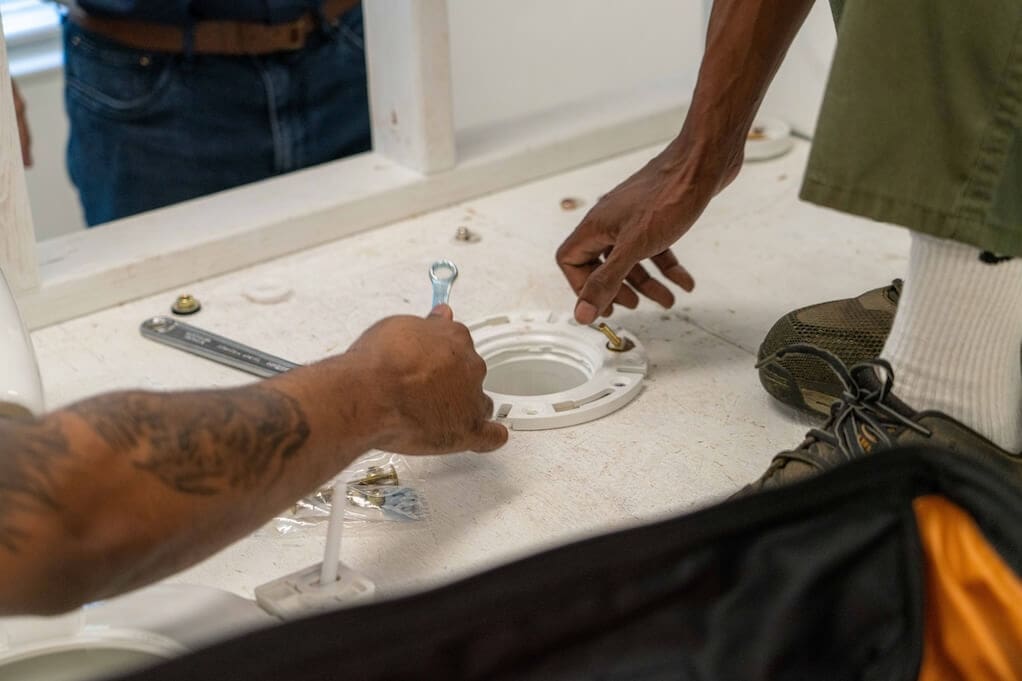
Trade school requires some upfront costs, but it’s an investment that often pays off much faster than other educational options do.
Our HVAC and Plumbing programs take only three months to complete. Graduates may start in roles paying around $19–$22 an hour. Starting pay depends on factors like work ethic, interview skills, and how well you build your hands-on and people skills.
And that’s just the beginning. As you gain experience, your earning potential grows. The median salary for HVAC technicians is $61,010, and for plumbers it’s $63,800.*
While others are still in the classroom, you’ll already be on the job, earning a paycheck and building experience.
*Median annual wages, May 2025, U.S. Bureau of Labor Statistics:
Heating, Air Conditioning, and Refrigeration Mechanics and Installers; Plumbers, Pipefitters, and Steamfitters.
You can start your career with little or no debt
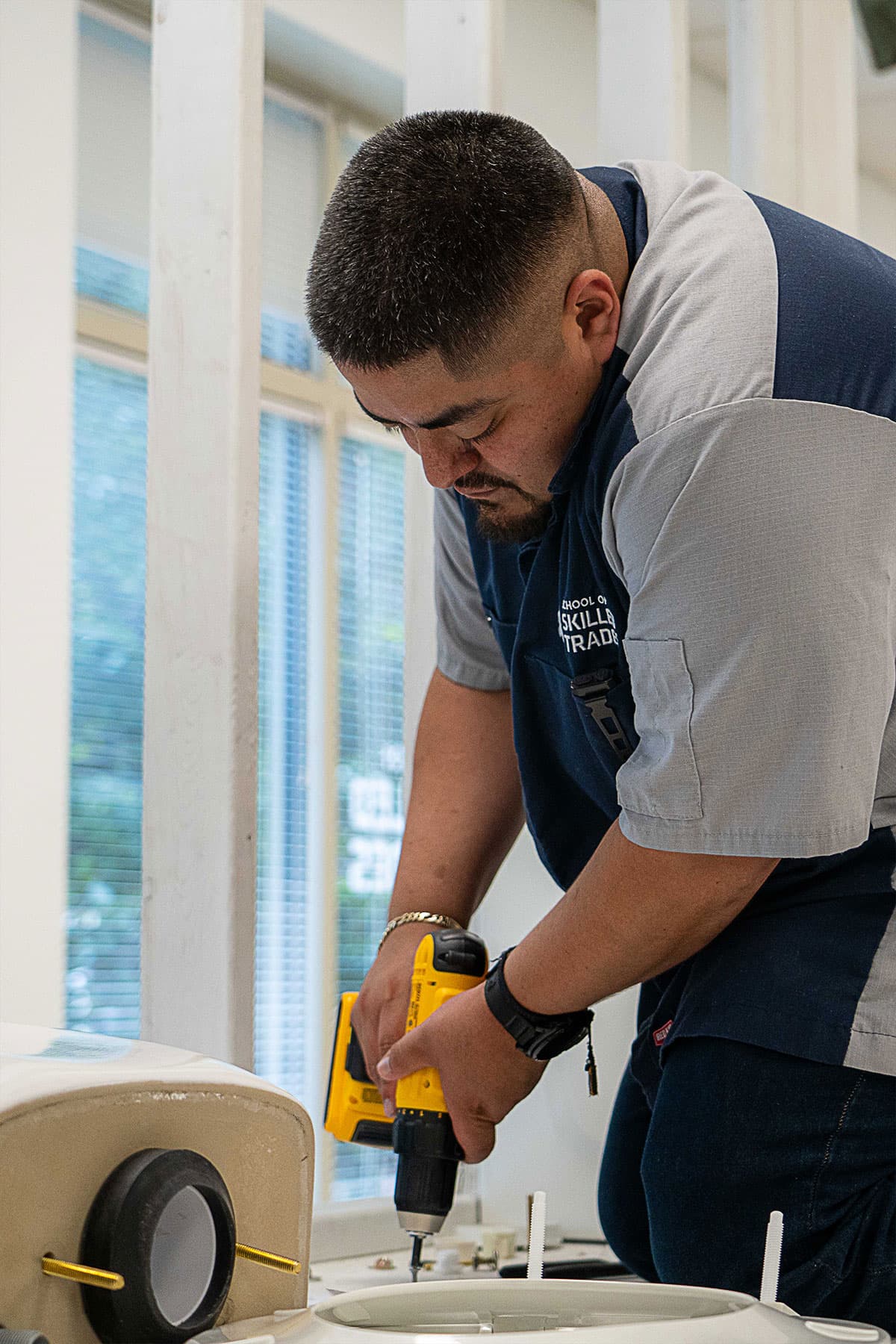
Graduates* of four-year universities in North Carolina have, on average, more than $29,000 of student debt. Community college students typically borrow less but still need to cover tuition and living expenses for as much as two years. Our accelerated programs keep total costs low. And our payment plans help you avoid going into significant debt.
*Source: Average Student Debt [Retrieved 10 February 2025]
You can keep more of what you earn
Choosing a training program that fits your goals and budget can help you make a more informed investment in your future. That makes it easier to cover your monthly expenses, and it creates options. Start saving for that new phone, building your emergency fund, or planning a fun day out with your kids—or any goal that matters to you and your family.
The School of Skilled Trades is a non-profit school, meaning we invest in helping you learn, not in making a profit. We’re licensed by the North Carolina State Board of Community Colleges, so you learn valuable skills from qualified instructors with years of field experience.